
Your body’s natural collagen production begins to decline as early as your mid-20s, dropping by approximately 1% each year. This essential protein, which makes up about 30% of your body’s total protein content, is crucial for maintaining healthy skin, strong joints, and overall structural integrity. While Collagen Products can help bridge this gap, there are numerous natural ways to boost your body’s own collagen production and protect existing collagen stores.
Understanding Collagen Production
Collagen is naturally produced by your body through a complex process involving vitamin C, amino acids, and various minerals. Your fibroblast cells create collagen by combining amino acids like glycine, proline, and hydroxyproline. However, factors such as ageing, sun exposure, smoking, and poor nutrition can significantly impact this natural production process.
Foods That Boost Collagen Production
Vitamin C-Rich Foods
Vitamin C acts as a cofactor in collagen synthesis, making it absolutely essential for natural collagen production. Without adequate vitamin C, your body cannot produce collagen effectively. Incorporate these sources into your diet:
- Citrus fruits like naartjies and oranges.
- Red peppers and tomatoes.
- Guavas and strawberries.
- Broccoli and leafy greens.
- Sweet potatoes.
Amino Acid Sources
Since collagen is made up of amino acids, consuming protein-rich foods provides the building blocks your body needs. Focus on complete proteins that contain all essential amino acids:
- Grass-fed beef and free-range chicken.
- Fresh fish and seafood.
- Eggs from pasture-raised hens.
- Legumes and quinoa.
- Dairy products.
Collagen-Supporting Minerals
Copper, zinc, and manganese play crucial roles in collagen synthesis. Include these mineral-rich foods:
- Nuts and seeds (especially pumpkin seeds).
- Shellfish and organ meats.
- Dark chocolate and cocoa.
- Whole grains and legumes.
Lifestyle Factors That Support Collagen
Sun Protection
Ultraviolet radiation is one of the primary causes of collagen breakdown. South Africa’s intense sun requires diligent protection through broad-spectrum sunscreen, protective clothing, and seeking shade during peak hours. This simple step can significantly preserve your existing collagen stores.
Quality Sleep
During deep sleep, your body enters repair mode and produces growth hormone, which stimulates collagen production. Aim for 7-9 hours of quality sleep each night to support optimal collagen synthesis and overall skin health.
Regular Exercise
Physical activity increases blood circulation, delivering nutrients essential for collagen production to your skin and other tissues. Exercise also stimulates the production of growth factors that support collagen synthesis. Both resistance training and cardiovascular exercise contribute to healthy collagen levels.
Stress Management
Chronic stress elevates cortisol levels, which can break down collagen and inhibit its production. Incorporate stress-reduction techniques such as meditation, yoga, or regular nature walks to support your body’s natural collagen-building processes.
Avoiding Collagen Destroyers
Limit Sugar Intake
Excess sugar leads to glycation, a process where sugar molecules bind to collagen fibers, making them stiff and weak. This process accelerates ageing and reduces skin elasticity. Minimise processed foods and refined sugars to protect your collagen.
Reduce Inflammatory Foods
Chronic inflammation accelerates collagen breakdown. Limit processed foods, trans fats, and excessive alcohol consumption while increasing anti-inflammatory foods like fatty fish, leafy greens, and berries.
Quit Smoking
Smoking significantly impairs collagen production and accelerates its breakdown, leading to premature ageing and poor wound healing. The chemicals in cigarettes directly damage collagen fibers and reduce blood flow to the skin.
Combining Natural Methods With Supplementation
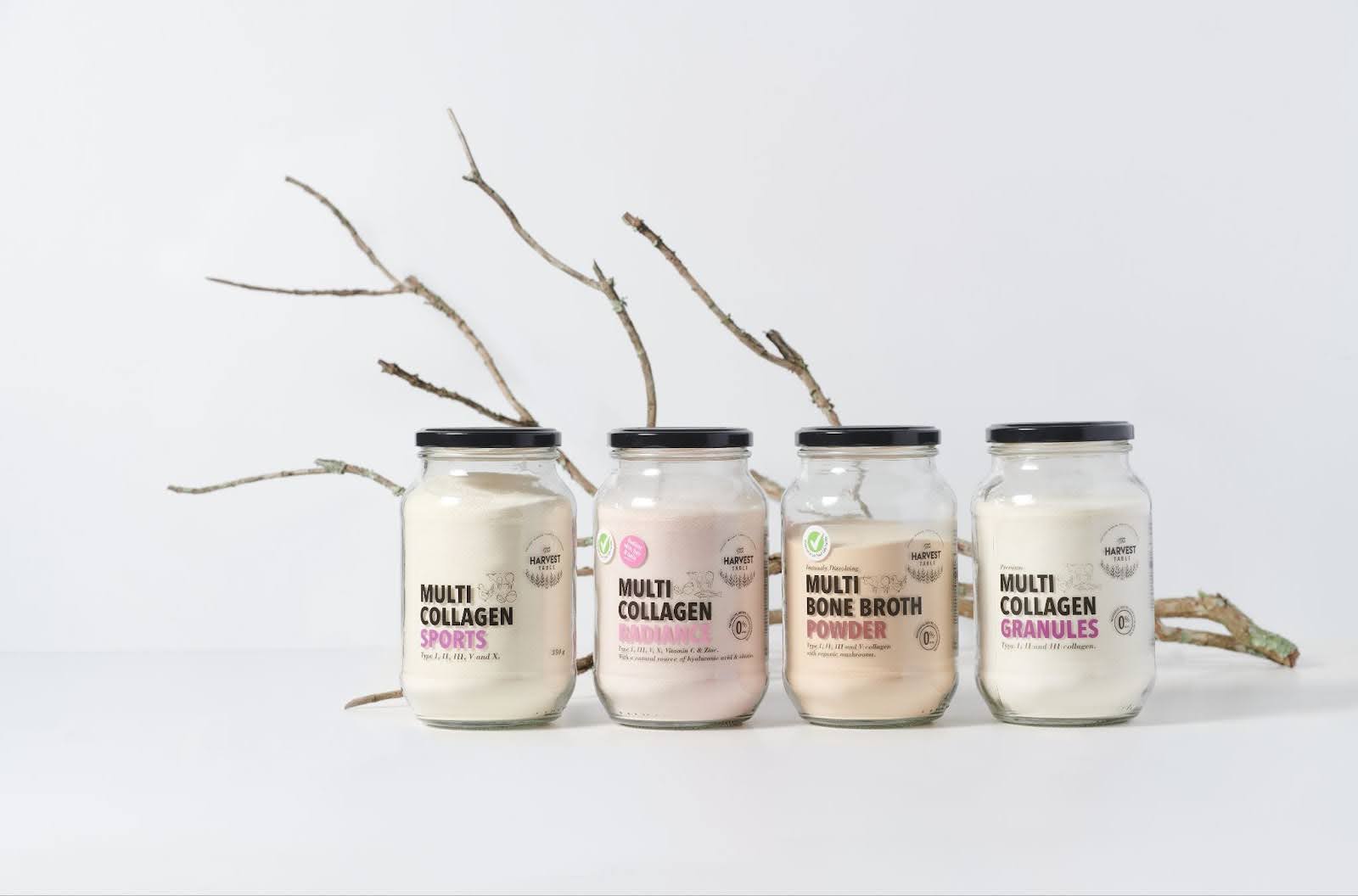
While natural methods form the foundation of healthy collagen levels, supplementing with high-quality collagen can provide additional support. The Harvest Table’s range of collagen products, including Multi Collagen Granules, combines Types I, II, and III collagen to support comprehensive health benefits.
How much collagen should you take depends on your individual goals, but combining natural collagen-building strategies with quality supplementation can maximise your results. The key is consistency in both your dietary choices and supplementation routine.
Frequently Asked Questions
How Long Does It Take To See Results From Natural Collagen Building?
Natural collagen building is a gradual process that typically takes around weeks of consistent effort to show visible results. Your body needs time to increase collagen synthesis and for new collagen to mature and strengthen tissues.
Can I Build Collagen Naturally Without Supplements?
Yes, it’s possible to support collagen production through diet and lifestyle alone. However, combining natural methods with quality Collagen Products often provides more comprehensive support, especially as natural production declines with age.
What Foods Should I Avoid To Protect Collagen?
Limit processed foods high in sugar, trans fats, and refined carbohydrates. These foods promote inflammation and glycation, both of which damage collagen fibers and accelerate ageing.
Building collagen naturally requires a holistic approach combining proper nutrition, lifestyle modifications, and consistent habits. While your body’s natural collagen production may decline with age, implementing these strategies can help maintain healthy collagen levels and support your overall well-being.
For additional support, explore The Harvest Table’s premium Collagen Products to complement your natural collagen-building efforts.