
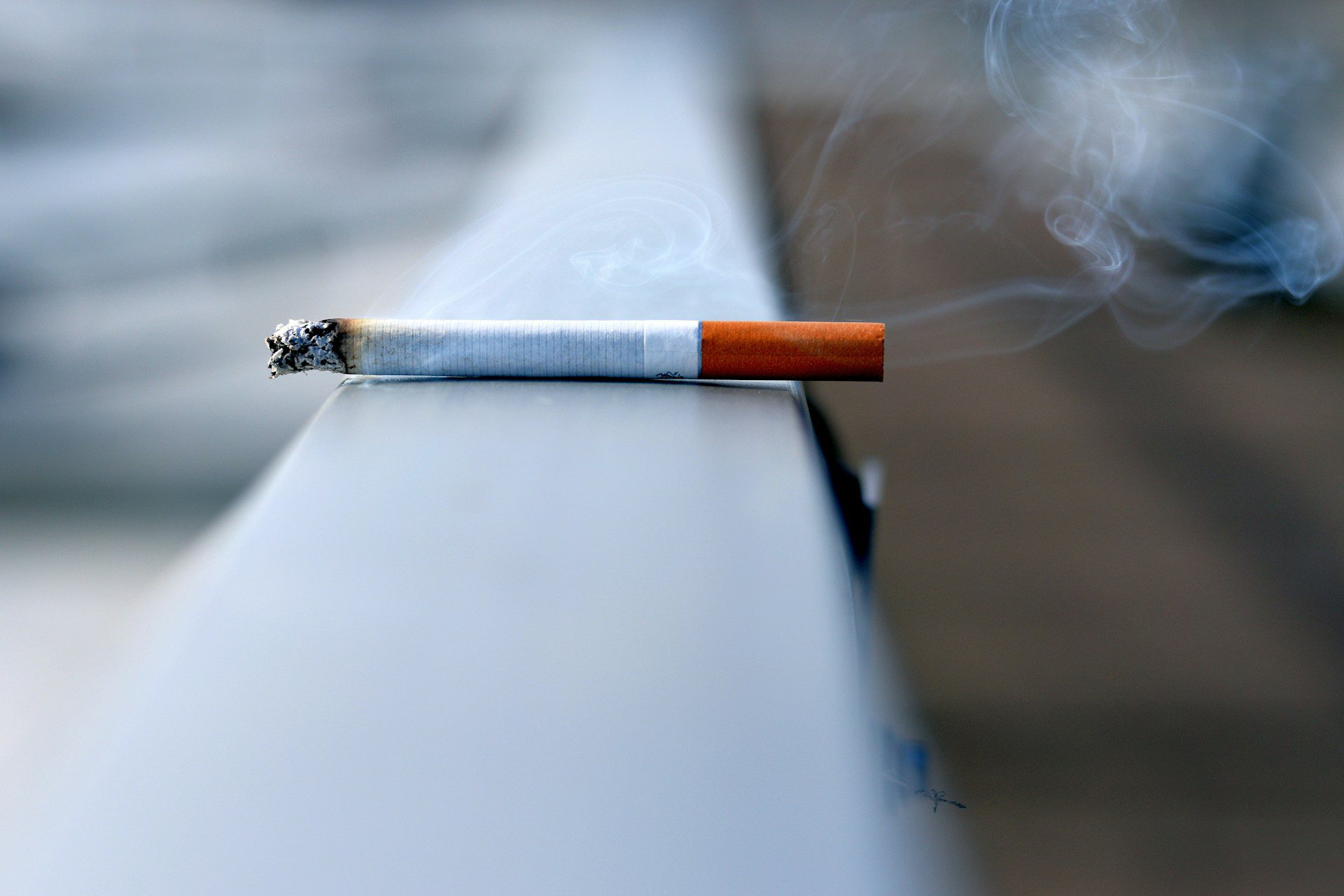
Collagen is the most abundant protein in your body, providing structure and elasticity to your skin, bones, joints, and connective tissues. Unfortunately, smoking accelerates collagen breakdown and inhibits your body’s ability to produce new collagen, leading to premature aging and numerous health complications.
The Science Behind Smoking and Collagen Degradation
When you smoke, you expose your body to many chemicals which are toxic and destructive to collagen. Nicotine restricts blood flow by narrowing blood vessels, which reduces the oxygen and nutrients that reach your skin cells. This oxygen deprivation directly impairs collagen synthesis, as your body needs adequate blood flow to produce and maintain healthy collagen levels.
Additionally, smoking generates free radicals – unstable molecules that damage cells throughout your body. These free radicals attack collagen fibers, breaking them down faster than your body can replace them.
Visible Signs of Collagen Loss From Smoking
The effects of smoking on collagen loss become visible quickly, often within just a few years of regular tobacco use. Some of the most noticeable signs include:
Premature Wrinkles and Fine Lines
Smokers typically develop wrinkles around their mouth and eyes much earlier than non-smokers. These “smoker’s lines” result from repeated facial expressions while smoking, combined with collagen degradation that prevents your skin from bouncing back.
Loss of Skin Elasticity
Without adequate collagen, your skin loses its firmness and begins to sag. Smokers often notice jowls, drooping eyelids, and loose skin on their neck and arms – all indicators of compromised skin health and collagen depletion.
Delayed Wound Healing
Collagen plays a crucial role in wound repair and tissue regeneration. Smokers experience slower healing times for cuts, surgical incisions, and other injuries because their bodies struggle to produce the collagen necessary for proper recovery.
Dull, Uneven Skin Tone
The reduced blood flow caused by smoking leaves skin looking gray, dull, and lifeless. Combined with collagen loss, this creates an aged appearance that extends beyond just wrinkles.
Can You Reverse the Damage?
The good news is that quitting smoking can allow your body to begin repairing some of the damage. Once you stop smoking, blood flow to your skin improves, and your body can start producing collagen more efficiently again. However, the collagen that has already been destroyed cannot be fully restored without intervention.
Supplementing with high-quality collagen can help accelerate your recovery and support your body’s natural healing processes. The Harvest Table’s Multi Collagen Granules provide a comprehensive blend of Type I, II, and III collagen, offering support for your skin, joints, and bones.
For those focused on skin rejuvenation, Marine Collagen Granules are particularly effective, as they’re rich in Type I collagen, which is most abundant in your skin. These granules dissolve instantly into liquids and are tasteless, making them easy to incorporate into your daily routine.
Supporting Your Body’s Recovery With Collagen Supplementation
If you’re a current or former smoker, taking at least two tablespoons of collagen daily can help replenish what smoking has depleted. Consistency is key – most people begin noticing improvements in their skin, hair, and joint health after 4 to 8 weeks of regular use.
Take Action for Your Health Today
Smoking’s effect on collagen production affects every aspect of your health, from your appearance to your mobility and overall well-being. Whether you’re currently trying to quit or have already stopped, supporting your body with high-quality collagen supplementation can help accelerate recovery and restore vitality.
Explore The Harvest Table’s complete range of Collagen Products and take the first step toward rebuilding your collagen. Your body has remarkable healing capabilities – give it the support it needs to recover and thrive.